
Disclaimer: This article is for general informational purposes only and is not medical or nutritional advice. Consult a registered dietitian or physician before making significant changes to your diet.
If you’ve searched “mediterranean diet breakfast for beginners” and landed on ten different recipe roundups with no actual starting point, you’re not alone. Most posts on this topic throw twenty-five recipes at you and call it a day — but nobody tells you how to actually begin, what counts as a real Mediterranean breakfast, or which foods you should quietly drop from your fridge.
This guide fixes that. It’s built for someone standing in their kitchen at 7 a.m. wondering what to eat, not someone who already owns three Mediterranean cookbooks. By the end, you’ll know how to start, what a beginner actually eats, which recipes take five minutes, and which foods to skip.
How to Start the Mediterranean Diet for Beginners
You don’t need a meal plan spreadsheet or a suitcase full of specialty ingredients. Starting the Mediterranean diet as a beginner comes down to four shifts:
- Swap your fat. Replace butter, margarine, and vegetable oil with extra virgin olive oil wherever you can — on toast, in eggs, drizzled over yogurt.
- Rebuild your plate around plants. Vegetables, fruit, whole grains, legumes, and nuts should make up most of what you eat, with fish and poultry in supporting roles and red meat as an occasional guest.
- Make breakfast simple, not skippable. A Mediterranean breakfast isn’t a diet food — it’s usually just yogurt, fruit, eggs, olives, or whole-grain bread with olive oil. Nothing exotic.
- Change one meal at a time. Trying to overhaul breakfast, lunch, and dinner simultaneously is why most people quit in a week. Start with breakfast, keep it for two weeks, then move on.
That’s genuinely it. The Mediterranean diet isn’t a strict rulebook — it’s a pattern, which is exactly why it’s sustainable long-term instead of a 30-day fad.
What Does a Beginner Eat on a Mediterranean Diet?
A first-week Mediterranean breakfast plate usually includes two or three of the following:
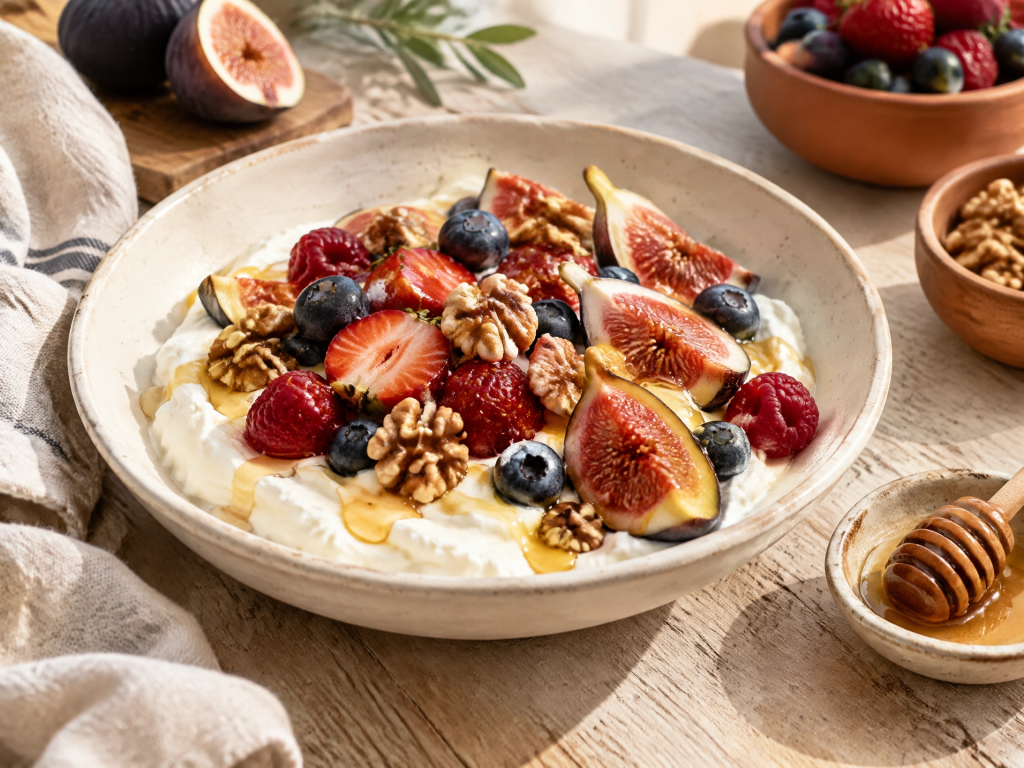
- Greek yogurt with honey, walnuts, and fresh fruit
- Eggs (any style) cooked in olive oil, often with tomatoes or spinach
- Whole-grain bread or pita with olive oil and a swipe of hummus
- Fresh fruit — figs, oranges, melon, or berries depending on season
- A handful of nuts (almonds, walnuts, pistachios)
- A small portion of cheese like feta or ricotta
- Olives, because yes, olives at breakfast is a real Mediterranean habit
- Herbal tea or coffee, unsweetened or lightly sweetened
Notice what’s missing: no protein bars, no green powders, no “diet” branding of any kind. The whole point is that it’s food people in Greece, Italy, and Crete have eaten for generations — not a product line.
The Easiest Mediterranean Diet Recipes for Beginners
These five need no cooking skill and most take under 10 minutes.

1. Greek Yogurt Bowl
Full-fat Greek yogurt, a drizzle of honey, a handful of walnuts, and whatever fruit is in season. Done.
2. Mediterranean Egg Plate
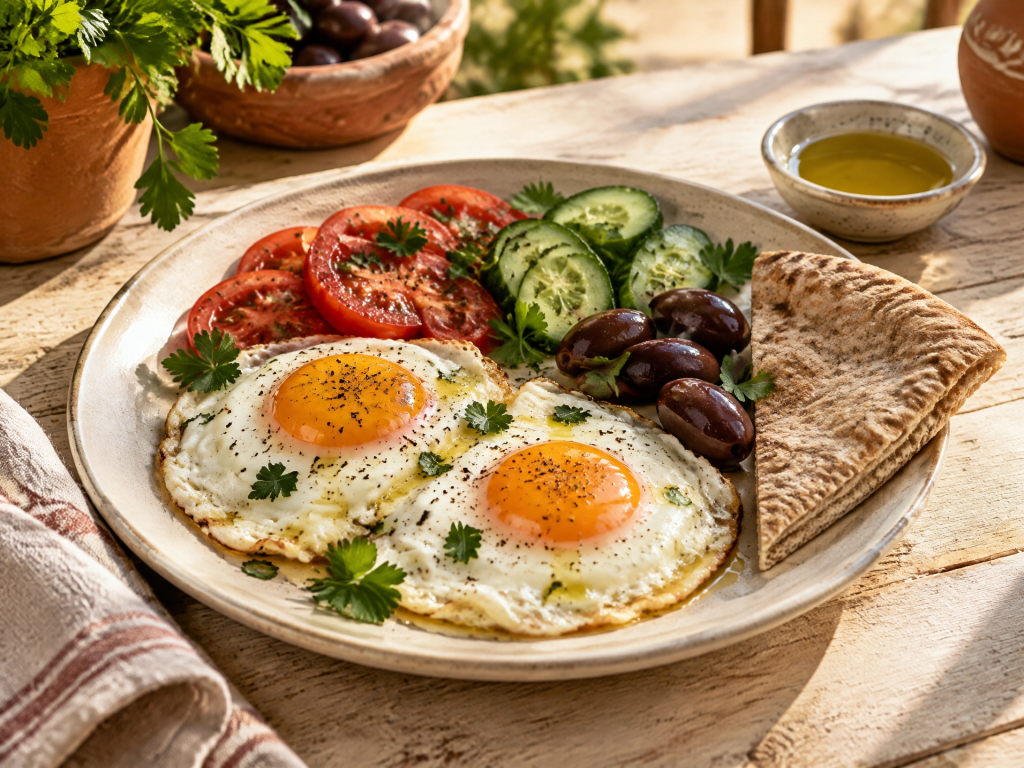
Two eggs cooked in olive oil, served with sliced tomato, cucumber, a few olives, and a wedge of whole-grain pita.
3. Avocado and Feta Toast
Whole-grain toast, mashed avocado, crumbled feta, a pinch of oregano, and a drizzle of olive oil.
4. Overnight Oats, Mediterranean Style
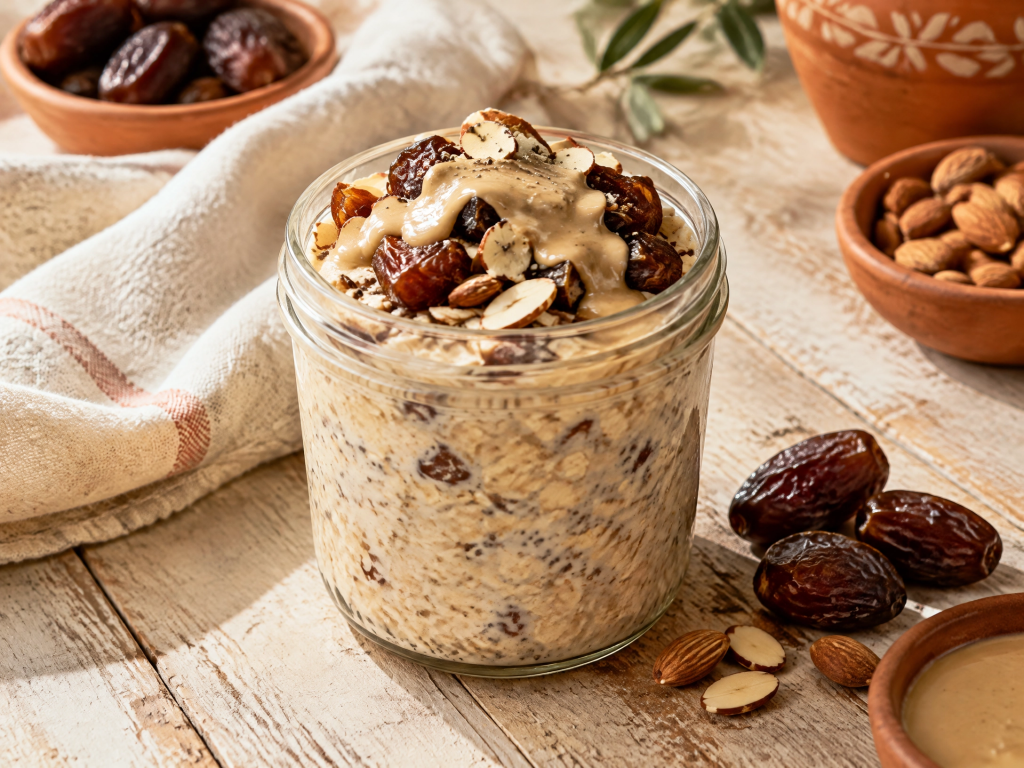
Rolled oats soaked overnight in milk or yogurt, topped in the morning with chopped dates, almonds, and a spoon of tahini.
5. Shakshuka (Weekend Version)
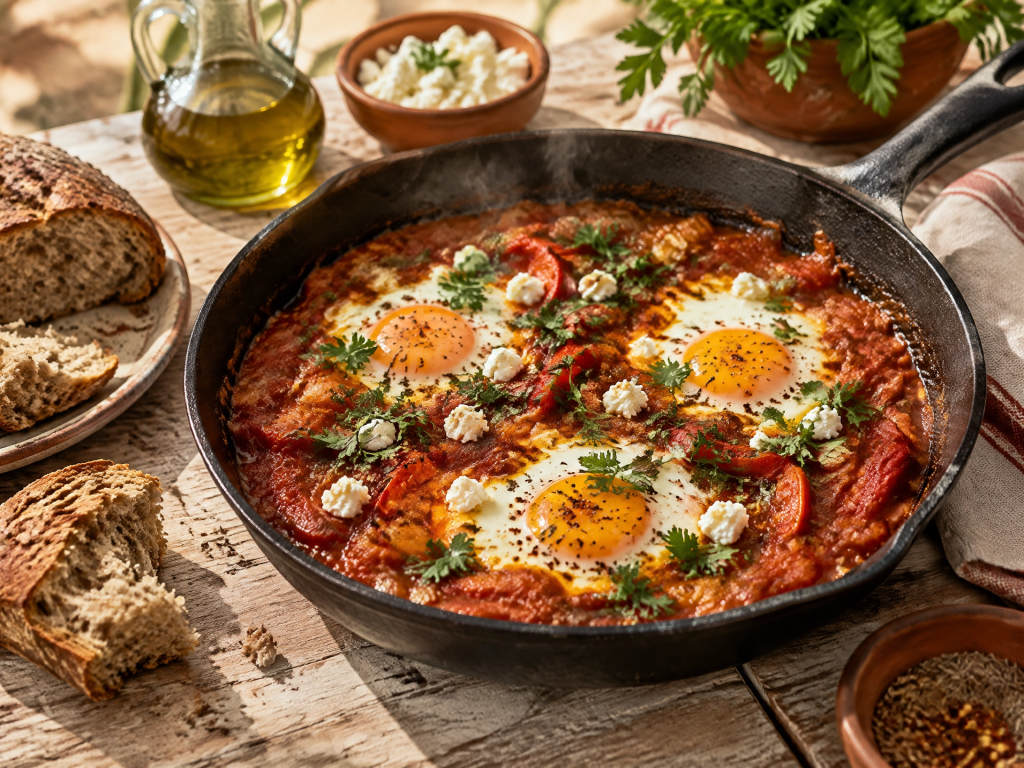
Eggs poached in a simple tomato-and-pepper sauce with garlic, cumin, and olive oil. Takes 20 minutes and scales up for guests.
None of these require a recipe card taped to your fridge after the first attempt — that’s the point of a beginner recipe.
Easy mediterranean diet recipes

Can You Eat Eggs on the Mediterranean Diet?
Yes. Eggs are a normal, welcome part of the Mediterranean diet. Most Mediterranean diet guidelines suggest eating them a few times a week — anywhere from two to four eggs weekly is a commonly cited range, though some versions of the diet are more relaxed about daily eggs as long as the overall pattern stays plant-forward. The confusion usually comes from Western breakfasts pairing eggs with bacon, sausage, and butter — it’s the sides that break the pattern, not the eggs themselves.
What Foods Are Not Allowed on the Mediterranean Diet?
The Mediterranean diet doesn’t operate on strict bans, but these are the foods it minimizes or excludes for a reason:
- Processed and cured meats (bacon, sausage, deli meat) — limited to rare occasions, not daily staples
- Refined grains (white bread, white pasta, sugary cereal) — swapped for whole grains
- Butter and margarine — replaced by olive oil as the primary fat
- Sugary drinks and heavily sweetened foods — soda, sweetened coffee drinks, pastries
- Highly processed snack foods — chips, packaged cookies, anything with a long ingredient list
- Red meat in large or frequent portions — kept occasional rather than a daily default
Nothing here is permanently off the table forever — it’s about frequency, not punishment.
Nutrition Profile: A Typical Mediterranean Breakfast
Using a Greek yogurt bowl with walnuts, honey, and berries as a benchmark (roughly one serving):
| Nutrient | Approximate Amount |
|---|---|
| Calories | 320–380 kcal |
| Protein | 18–20 g |
| Fat | 14–16 g (mostly unsaturated) |
| Carbohydrates | 30–35 g |
| Fiber | 4–5 g |
| Added sugar | 6–8 g (from honey) |
| Calcium | ~20% of daily value |
Swap in eggs and olive oil instead of yogurt and honey, and you’ll see protein and healthy fat rise while sugar drops close to zero — both are solid beginner options depending on whether you want something sweet or savory.
Nutrition Notes
- Fat quality matters more than fat quantity. The Mediterranean diet is not low-fat — it’s high in unsaturated fat from olive oil, nuts, and fish, which is linked to better heart health outcomes than low-fat diets that lean on refined carbs instead.
- Fiber does the heavy lifting. Whole grains, fruit, and legumes at breakfast keep you full longer than refined-carb breakfasts, which is often why people naturally eat less throughout the day.
- Protein at breakfast isn’t optional. Yogurt, eggs, and cheese all pull double duty — protein plus satiety — so beginners rarely need to “add” a protein source separately.
Tips for Beginners
- Buy good olive oil once, not five bottles. A single quality bottle of extra virgin olive oil will outlast a shelf of specialty products you’ll never use.
- Batch Greek yogurt bowls on Sunday. Portion yogurt into jars, add nuts, and leave the fruit until the morning so it doesn’t go soggy.
- Don’t fear whole milk dairy. Full-fat Greek yogurt and feta are traditional, not a diet mistake — the Mediterranean pattern isn’t a low-fat diet.
- Keep olives and nuts on the counter. If they’re visible, you’ll actually reach for them instead of cereal out of habit.
- Give it three weeks before judging results. Energy and digestion changes often show up before the scale does.
FAQ
How to start the Mediterranean diet for beginners?
Start with one meal — breakfast is the easiest — and make two swaps: olive oil instead of butter, and whole foods (yogurt, eggs, fruit, whole grains) instead of processed cereal or pastries. Expand to lunch and dinner once breakfast feels automatic.
What does a beginner eat on a Mediterranean diet?
A beginner typically eats Greek yogurt with fruit and nuts, eggs cooked in olive oil, whole-grain bread, olives, and a small portion of cheese — simple combinations rather than complicated recipes.
What are the easiest Mediterranean diet recipes?
A Greek yogurt bowl, an egg plate with olives and tomato, and avocado-feta toast are the three easiest starting points — all take under 10 minutes and use ingredients most kitchens already have.
Can you eat eggs on the Mediterranean diet?
Yes, eggs are a standard part of the Mediterranean diet, commonly eaten several times a week as a source of protein and healthy fat.
What foods are not allowed on the Mediterranean diet?
Processed meats, refined grains, butter, sugary drinks, and packaged snack foods are minimized. None are permanently banned, but they’re treated as occasional rather than everyday foods.
Final Thought
The Mediterranean diet works long-term because it isn’t a diet in the restrictive sense — it’s a pattern of eating real food that people have followed for generations without a single meal-tracking app. Start with breakfast, keep it boring and simple for two weeks, and let the rest of your day follow from there.