
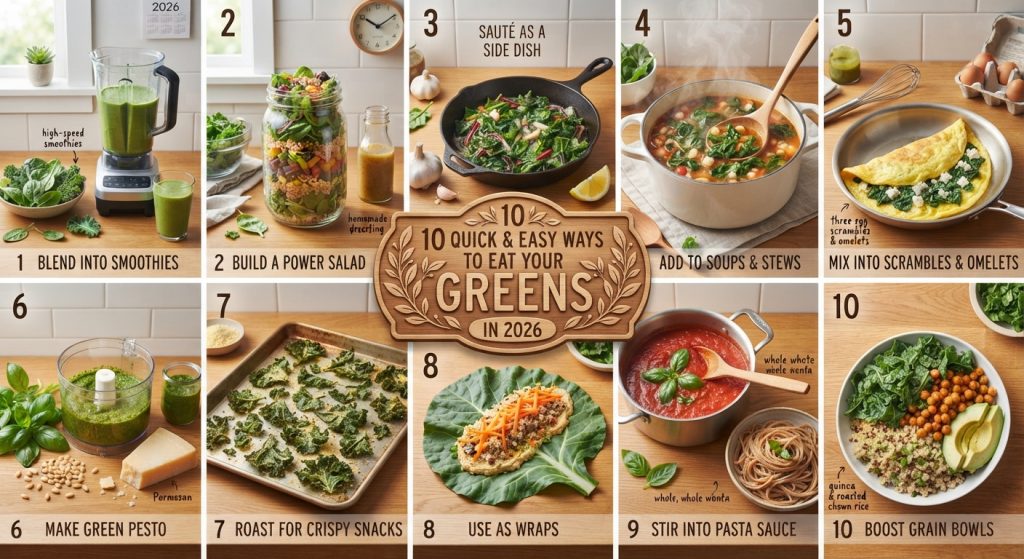
We all know greens are good for us but between meal prepping, work, and everything else on the to-do list, getting enough of them in can still feel like a chore. The good news? Ten years on, eating more greens has never been easier. Between smarter kitchen gadgets ,Quick and Easy Ways to Eat Your Greens, ready-to-blend freezer packs, and a few clever swaps, you can work leafy greens into almost every meal without it feeling like a project. Here are 10 simple, up-to-date ways to eat more greens in 2026.
1. Green Smoothie,Quick and Easy Ways to Eat Your Greens
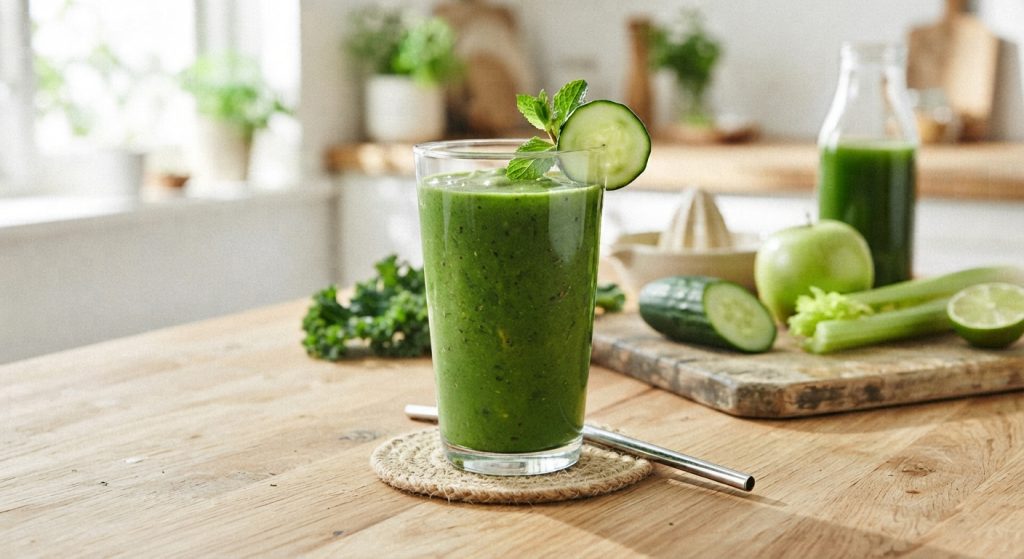
Still one of the fastest ways to get your greens in, and easier than ever now that pre-portioned smoothie packs are a normal part of most people’s freezer rotation. Add your greens, a little fruit, a splash of plant milk or coconut water, and a scoop of your favorite protein or superfood blend into a reusable silicone bag and freeze flat. When it’s smoothie time, just tip the pack straight into the blender — no chopping, no mess. If you’re short on time in the morning, a lot of people are now prepping five packs on a Sunday so the whole week is done in one go.
Try it: spinach, frozen mango, a spoon of nut butter, and oat milk blended until smooth.
2. Green Juice
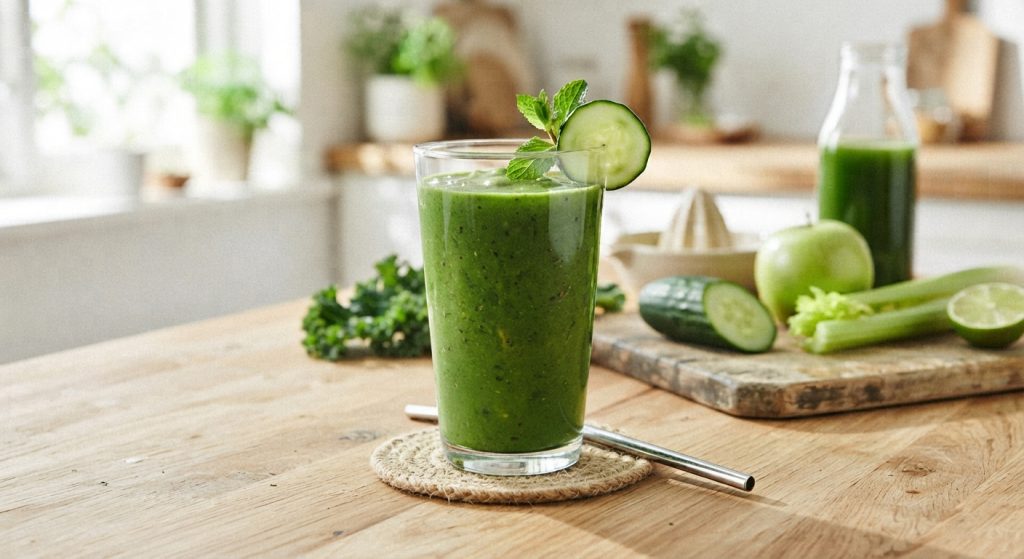
Cold-pressed juice hasn’t gone anywhere, Quick and Easy Ways to Eat Your Greens and it’s still one of the quickest ways to flood your body with easy-to-absorb nutrients. If you don’t own a juicer, most grocery stores and juice bars now carry a solid green juice option, and a good quality greens powder stirred into water is a genuinely convenient backup for busy days. Look for one with minimal added sugar and a real vegetable base rather than mostly fruit.
Try it: cucumber, celery, spinach, green apple, and a squeeze of lemon.
3. Green Energy Bites
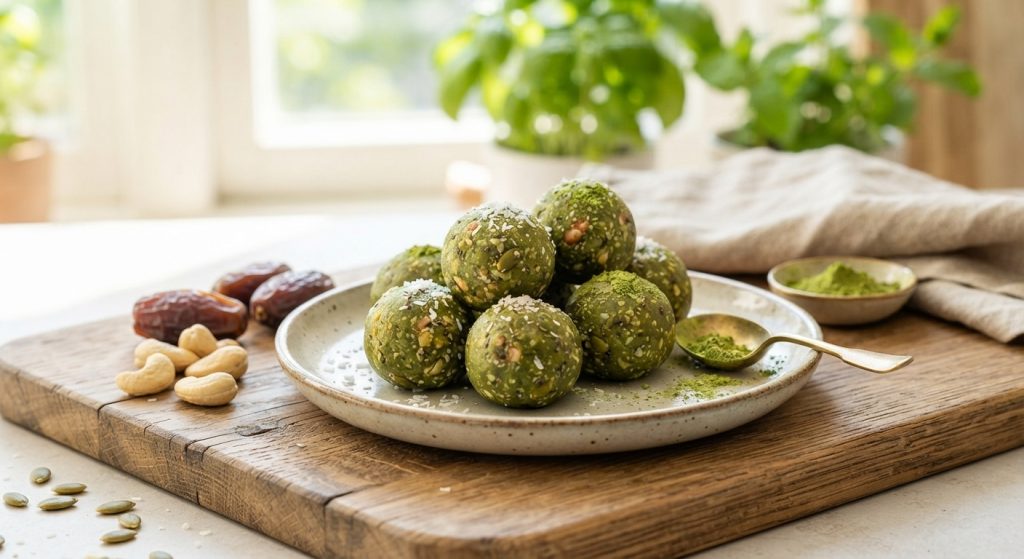
These no-bake bites are still one of the easiest ways to sneak greens into a snack nobody will suspect. Blend dates, oats, nut butter, and a scoop of greens powder or finely blended spinach, roll into balls, and keep a batch in the fridge or freezer for whenever you need a quick boost. They travel well, kids genuinely like them, and they take about 10 minutes start to finish.
Try it: Quick and Easy Ways to Eat Your Greens dates, almond butter, rolled oats, a spoon of greens powder, and a pinch of sea salt.
4. Air-Fried or Sautéed Greens

Many leafy greens carry fat-soluble vitamins, so pairing them with a little healthy fat actually helps your body absorb more of the good stuff. A quick sauté in olive oil, or a few minutes in the air fryer until the edges crisp up, turns greens like kale or chard into something you’ll actually crave. Air-fried kale chips in particular have become a genuine pantry staple — toss torn kale leaves with a little oil and salt, then air fry at 160°C for 5–6 minutes, shaking halfway, until crisp.
Try it: kale tossed in olive oil and sea salt, air fried until crisp, or sautéed spinach finished with a drizzle of walnut oil.
5. Salads (Made Interesting)
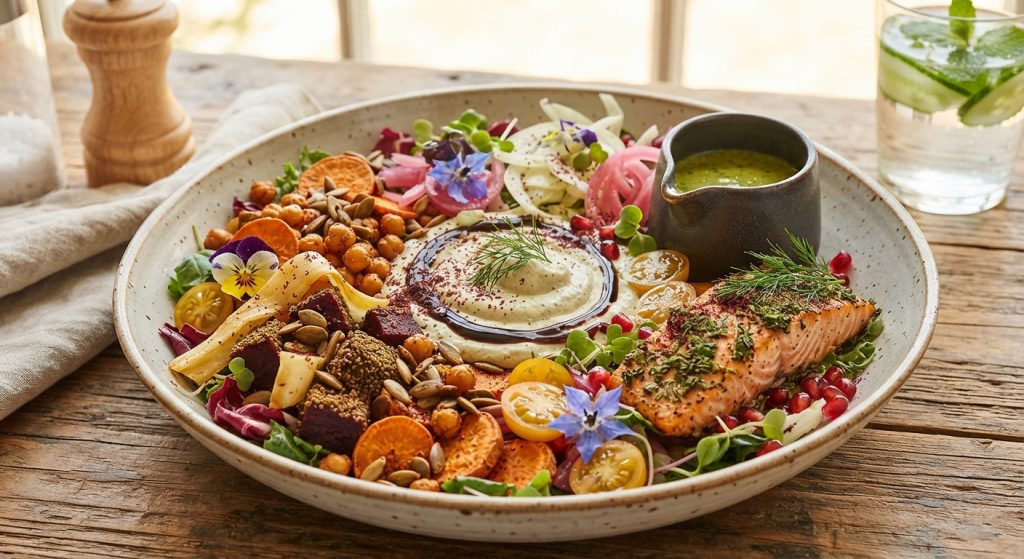
The simplest way to eat more greens is still a good salad — the trick is not eating the same one every day. Quick and Easy Ways to Eat Your Greens Build around a base grain like farro or quinoa, add a handful of greens, something crunchy, something creamy, and a dressing with real flavor, and you’ll actually look forward to it. Rotating between two or three go-to combinations each week keeps things from getting stale.
Try it: a lemony grain bowl with chickpeas, corn, spinach, and a herby vinaigrette.
6. Greens in Pasta and Noodles
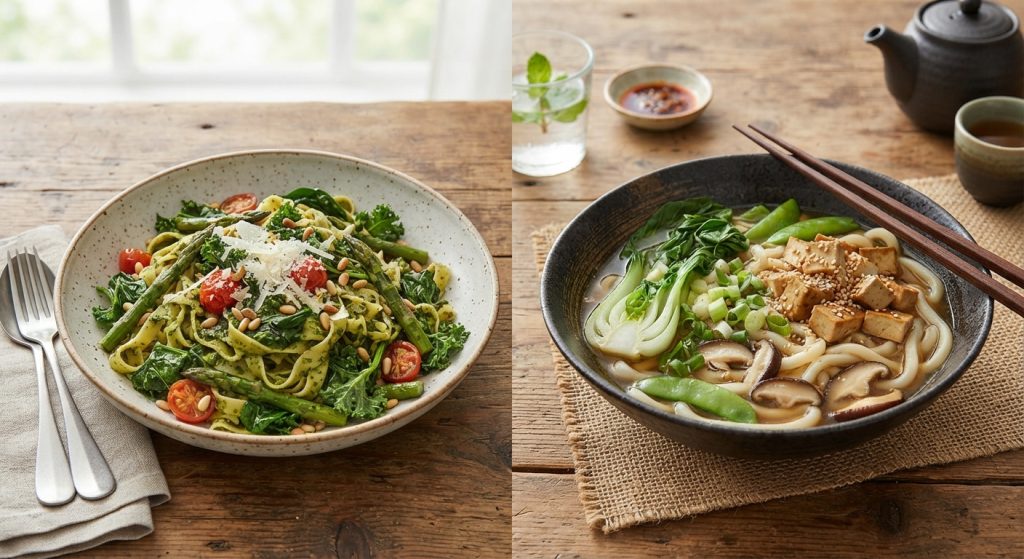
Blending greens directly into a pasta sauce, or spiralizing vegetables into a noodle base, is one of the easiest ways to eat a genuinely large portion of greens without noticing. A quick spinach or basil pesto works with almost anything, and swapping in a portion of zucchini or greens-based noodles for regular pasta is a simple way to boost the vegetable count of a meal you’re already making.
Try it: a quick blended spinach-basil pesto tossed with your favorite pasta shape.
7. Green Soups

A big pot of green soup is one of the most efficient ways to eat greens in bulk — it keeps well in the fridge for days and freezes beautifully for even longer. Blend sautéed leeks or onion with broth, a couple of big handfuls of spinach or kale, and a starchy vegetable like potato or white beans for body, then finish with a swirl of good olive oil.
Try it: leek, potato, and spinach soup, blended smooth and finished with cracked pepper.
8. Greens in Wraps and Rolls
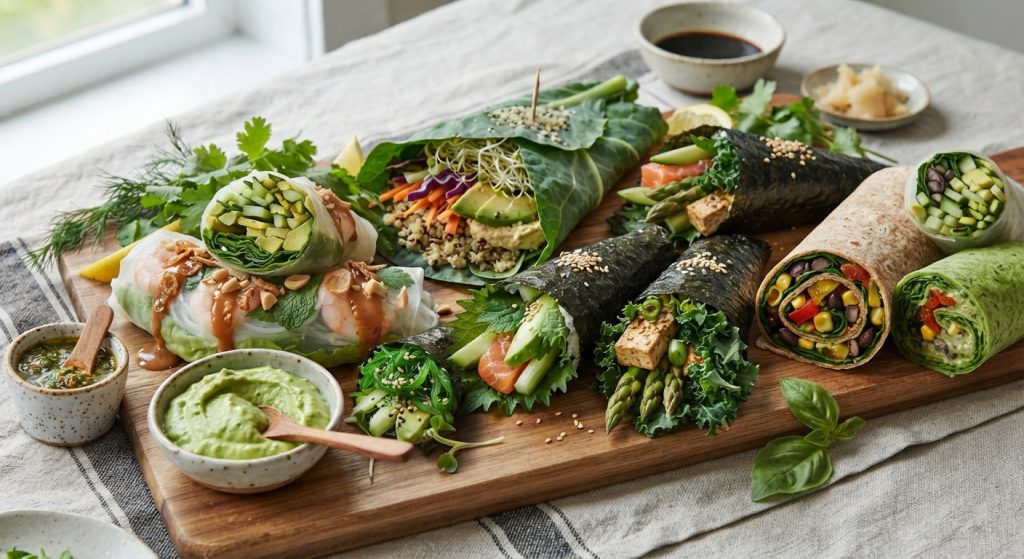
Instead of a token lettuce leaf, use greens as the actual base of a wrap or roll. A big collard or chard leaf makes a sturdy, low-effort wrapper for a quick lunch, and stuffing extra spinach or arugula into any wrap, roll, or sandwich is one of the easiest habit changes to make stick. It barely changes how the meal tastes and quietly adds a full extra serving.
Try it: a collard-leaf wrap filled with hummus, shredded carrot, and extra baby spinach.
9. Greens Powder, Everywhere
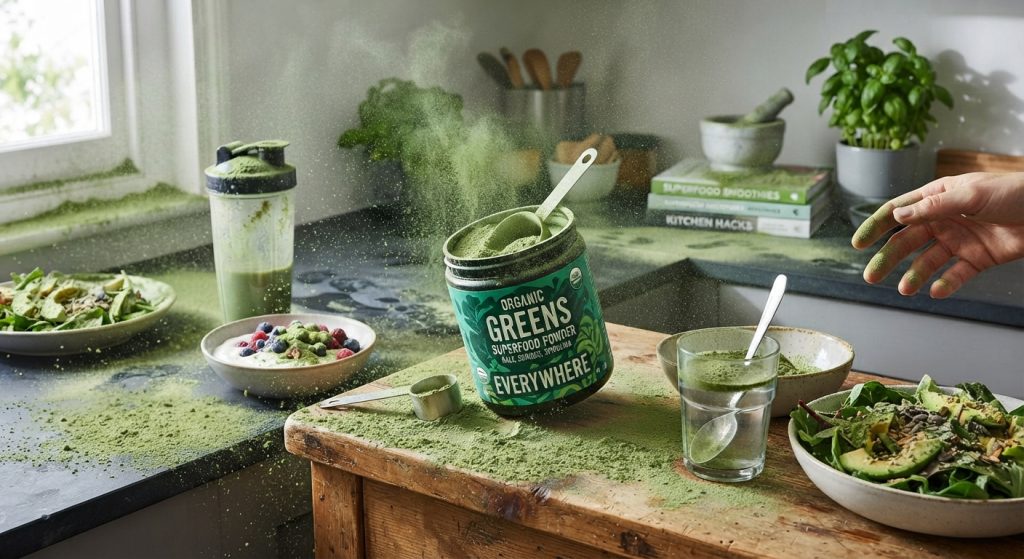
Greens powders have gotten genuinely good over the past few years, and stirring a scoop into your morning coffee, a glass of water, or even a batch of baked goods is one of the lowest-effort ways to close the gap on days when whole greens just aren’t happening. It’s not a replacement for real vegetables, but it’s a reasonable backup for the days that get away from you.
Try it: a scoop stirred into your usual oat milk latte, or folded into pancake or muffin batter.
10. Freeze-Dried and Dehydrated Greens
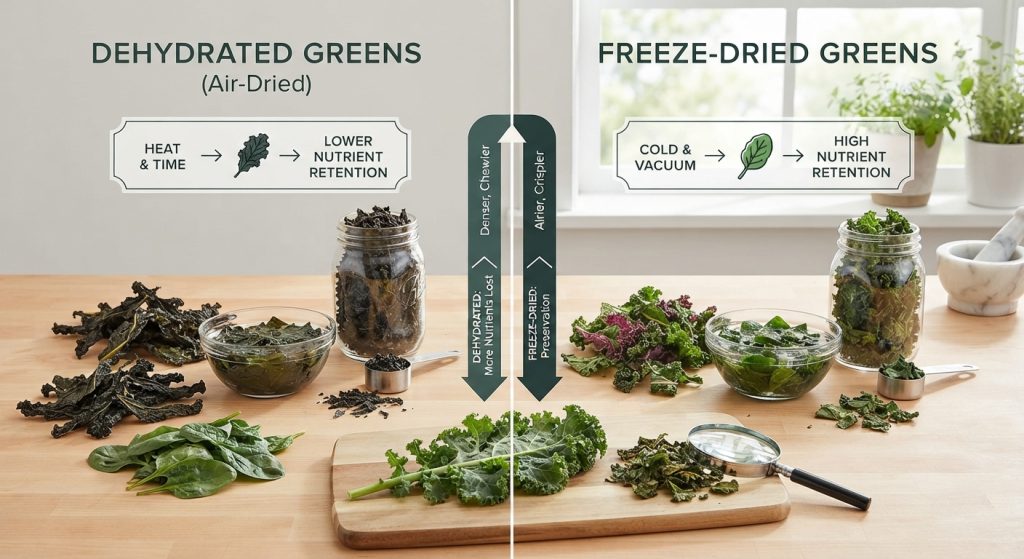
Freeze-dried kale and spinach have become an easy pantry staple — crumble them straight into soups, stews, or scrambled eggs for an instant nutrient boost with zero prep and no risk of them wilting in the fridge before you get to them. They’re shelf-stable for months, which makes them a genuinely useful backup for weeks when fresh produce runs out faster than you can shop.
Try it: crumbled freeze-dried spinach stirred into scrambled eggs or a bowl of instant oats.
Frequently Asked Questions
How many servings of greens should I eat per day?
Most nutrition guidelines land around 2–3 cups of leafy greens per day, but any increase from where you’re starting counts. Adding even one of the methods above to your daily routine is a meaningful step up for most people.
Do frozen or freeze-dried greens have fewer nutrients than fresh?
Not significantly. Greens are typically frozen or freeze-dried at peak ripeness, which actually preserves nutrients well — in some cases better than fresh greens that have spent days in transit and on a shelf. They’re a genuinely solid backup, not a downgrade.
Are greens powders a real substitute for eating vegetables?
No — think of them as a supplement to whole greens, not a replacement. They’re missing the fiber and some of the nutrient synergy you get from eating the whole leaf, but they’re a reasonable way to close the gap on days when fresh greens aren’t happening.
What’s the easiest way to start if I currently eat almost no greens?
Start with one habit, not ten. A daily smoothie or a handful of spinach stirred into something you already eat (eggs, pasta sauce, a wrap) is the lowest-friction place to begin. Add a second habit once the first one feels automatic.
Can I eat too many greens?
It’s rare, but very high intakes of certain leafy greens (like kale and spinach) can affect people on blood thinners due to their vitamin K content, and oxalates in greens like spinach can be a concern for those prone to kidney stones. If either applies to you, it’s worth a quick chat with your doctor about how much is right for you.
Which greens are best for smoothies vs. cooking?
Milder greens like spinach and baby kale blend smooth and taste neutral, making them ideal for smoothies and juices. Heartier greens like collards, chard, and mature kale hold up better to sautéing, roasting, or air frying, where their texture and flavor can shine rather than turning bitter or fibrous when raw.
The Bottom Line
You don’t need a complete diet overhaul to eat more greens — just a few small, repeatable habits. Pick two or three of these that actually fit your routine, build them into your week, and the rest will follow naturally. Your body (and your energy levels) will thank you.
Which of these do you already do? Let us know your favorite way to get your greens in.