
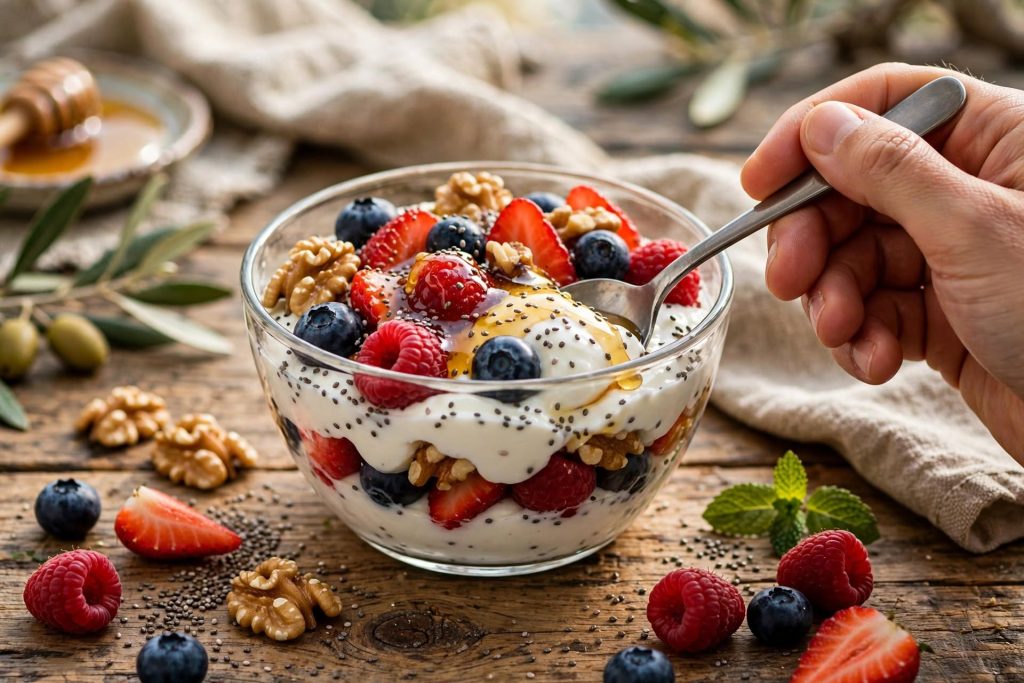
Mediterranean Diet + Intermittent Fasting: Why This Combo Finally Makes Healthy Eating Feel Easy
- Greek Yogurt Bowl” to your recipe page
- Aegean Soul: Modern Greek Fusion: 70+ Bold Greek Recipes
- Authentic Greek Island Recipes
I didn’t learn this combo from a textbook. I learned it watching an 80-year-old fisherman in Crete.
He woke up, drank water, fixed his nets. Around noon, he ate — tomatoes, cucumbers, a chunk of feta, olives, and bread dripping with fresh olive oil. He laughed, worked, napped, then ate again with his family before sunset. No calorie app. No 6-meal plan. Just good food, and time to rest between meals.
That, without him knowing it, was Mediterranean + Intermittent Fasting. And it’s the reason this combo sticks when other diets don’t.
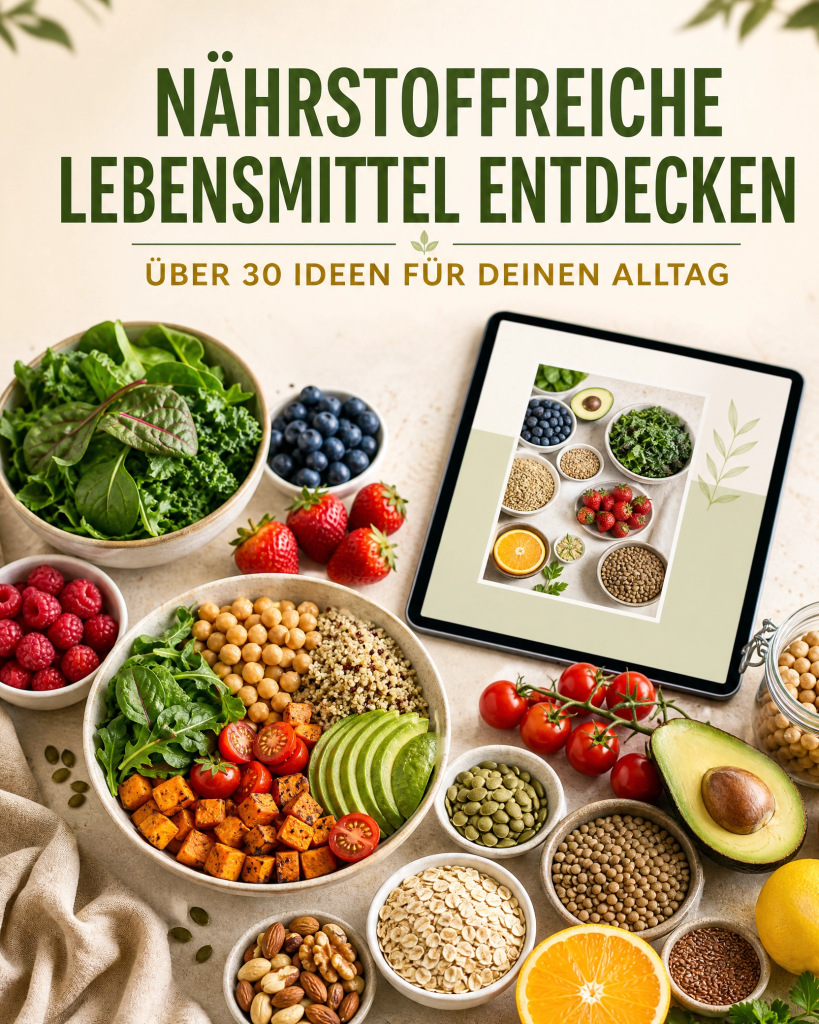
What Are We Actually Combining?
The Mediterranean Diet is not a diet. It’s a pattern from the countries by the Mediterranean Sea, named Best Overall Diet for 7 years by US News.
Think: half your plate vegetables and fruit, quarter whole grains or legumes (lentils, chickpeas, quinoa), quarter protein — mostly fish, beans, eggs, yogurt, some chicken — plus extra virgin olive oil as your main fat, nuts, herbs, and lemon. Very little red meat or ultra-processed food.
Intermittent Fasting (IF) is not starvation. It’s just a clear eating window and a clear resting window.
The 3 most sustainable windows:
- 12:12: Eat 12h, fast 12h. Ex: 8am-8pm. Perfect for beginners, parents, morning workouts.
- 14:10: Eat 10h, fast 14h. Ex: 10am-8pm. My personal sweet spot.
- 16:8: Eat 8h, fast 16h. Ex: 12pm-8pm. Best if you aren’t hungry at breakfast.
You can mix them. I do 14:10 weekdays, 12:12 weekends.
Why Mediterranean + Fasting Is Better Together (The Match Made in Health Heaven)
1. Mediterranean foods make fasting comfortable.
Fasting fails when you break it with sugar. Mediterranean foods are high in fiber, protein, and healthy fat — lentil soup keeps you full 4-5 hours. Greek yogurt + walnuts stops the 11pm cookie hunt.
2. Fasting makes Mediterranean eating work better.
Mediterranean gives you what to eat. Fasting gives you when. Stop constant snacking, give your gut 12+ hours to rest, insulin calms down, sleep improves.
3. It’s the most researched combo for heart health.
Scientists now call it “Pesco-Mediterranean + Time-Restricted Eating” — plants + olive oil + fish/seafood + time to fast. The American Heart Association and Journal of American College of Cardiology both point to this pattern for optimizing cardiovascular health.
How to Do Mediterranean Intermittent Fasting (Without Hating It)
What Can You Drink While Fasting?
Water is king. Black coffee (1-2 cups), plain green tea, sage or chamomile tea, water with lemon slice are fasting-friendly. Avoid sugar, milk, honey, juice, alcohol in fasting window.
How to Break Your Fast The Right Way
Don’t break a 16-hour fast with a pastry. You’ll crash.
Always break with Protein + Fiber + Fat. My top 3 from my cookbook:
- Greek Yogurt & Walnut Bowl with berries and honey
- Shakshuka – eggs in spiced tomato and pepper sauce
- Hummus + Veggie Plate with olives and whole wheat pita
A Realistic 16:8 Mediterranean Day (Sample Meal Plan)
7:00 AM (Fasting): 500ml water, 15-min walk, black coffee.
12:00 PM (Break Fast): Avocado & feta toast with boiled egg
3:30 PM (Lunch): Classic Horiatiki Greek Salad or Lentil & Lemon Soup with Kale
7:30 PM (Dinner): Lemon Herb Grilled Salmon with Olives + Garlic Lemon Roasted Broccoli
8:00 PM: Close kitchen. Herbal tea. Kitchen closed like a taverna.
Mediterranean Fasting Pantry List (So You Never Run Out)
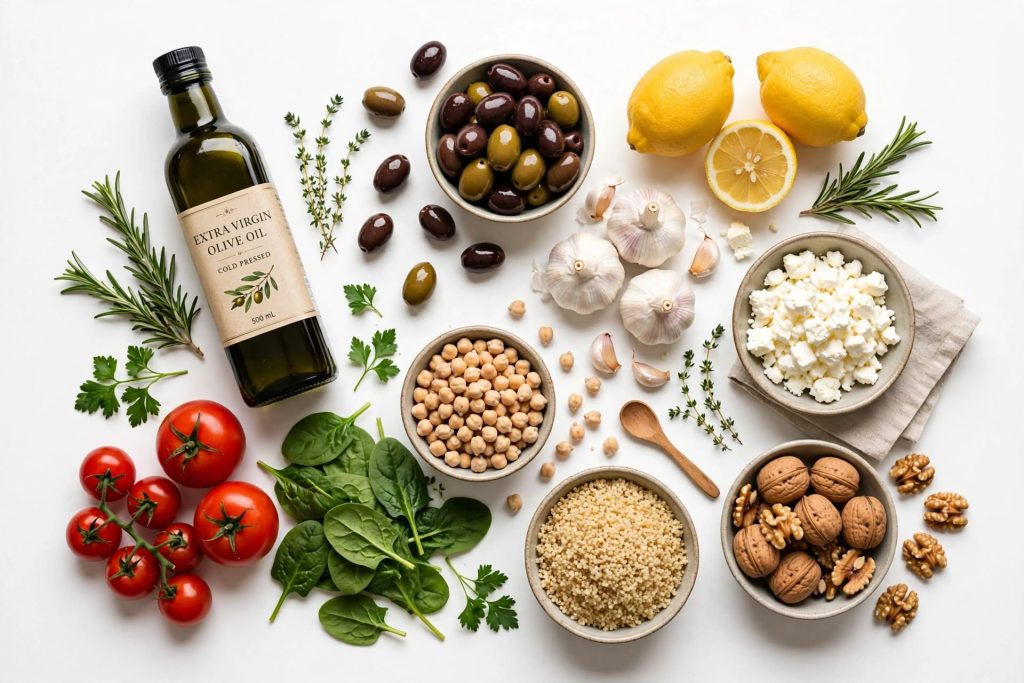
Extra virgin olive oil 750ml, lemons 8, garlic, onions 1kg, canned tomatoes x4, chickpeas x3, white beans x2, brown lentils 500g, quinoa 500g, eggs 18, Greek yogurt 1kg, feta 400g, Kalamata olives 400g, cucumbers, tomatoes, spinach, walnuts, almonds, chia seeds, oregano, cumin, za’atar.
3 Mistakes That Ruin Your Results
1. Fearing olive oil. 1-2 tbsp per meal helps you stay full and absorb vitamins A, E, K. It’s anti-inflammatory, not the enemy.
2. Jumping straight to 16:8. Start 12:12 for 7 days. Then 14:10 three days. Hunger comes in waves — peaks for 15-20 minutes, then fades. Drink water, wait.
3. All-or-nothing mindset. Ate late at a wedding? Enjoy it. Return at next meal, not next Monday.
Don’t attempt longer fasts if you are pregnant, nursing, under 18, have a history of eating disorders, type 1 diabetes, or chronic illness without medical approval. If you feel dizzy, lose your period, or binge in your window, shorten to 12:12.
FAQ Mediterranean Intermittent Fasting
Q1: Can you do intermittent fasting on the Mediterranean diet?
Yes, and it’s one of the best combinations. Mediterranean foods are high in fiber, protein, and healthy fat, which makes fasting windows comfortable and prevents sugar crashes. Start with 12:12, then move to 14:10.
Q2: What is the best fasting window for the Mediterranean diet?
For beginners, 12:12 (8am-8pm). For most people, 14:10 (10am-8pm) is the most sustainable. For experienced fasters, 16:8 (12pm-8pm) works well if you aren’t hungry in the morning.
Q3: What should I eat to break my fast on the Mediterranean diet?
Break your fast with protein + fiber + fat. Best options: Greek yogurt with walnuts, shakshuka with whole wheat pita, lentil soup, hummus with veggies, or avocado toast with feta and egg. Avoid breaking with sugar or white bread alone.
Q4: Can I have olive oil while fasting?
No, during the fasting window only zero-calorie drinks (water, black coffee, plain tea). Save olive oil for your eating window — 1-2 tbsp per meal helps satiety and nutrient absorption.
Q5: Will I lose muscle with Mediterranean intermittent fasting?
Not if you eat enough protein in your eating window (palm-sized portion per meal: fish, chicken, eggs, beans, yogurt) and do light strength training 2x per week.
Loved this guide? Get all 46 recipes with photos inside my 80-page cookbook — 6×9 print-ready, no bleed, white background, built for real life. [Get the Cookbook on Amazon →]